%2Ffit-in%2F250x250%2Fusers%2F81b10169-d6da-4535-b20d-a508d6758d05%2Fimages%2F063ab942-c5e7-4a82-9bbb-e2809af47ecf.jpg&w=1920&q=100)
Caught a Smallmouth Bass Fishing Charter in Cumberland
Smallmouth Bass Fishing in Cumberland Head
%2F%2Fusers%2F81b10169-d6da-4535-b20d-a508d6758d05%2Fimages%2Fsmallmouth-bass-cumberland-head-ny-3675.png&w=1920&q=75)
The Smallmouth Bass belongs to the order Perciformes and family Centrarchidae. It typically measures between 12 and 27 inches in length, with a weight range from 1 to 4 lbs. - Habitat: lake, river environments with rocky structure. - Popular gamefish known for fighting ability and acrobatic jumps. - Feeds on crayfish, minnows, and aquatic insects.
Fishing Charter by Captain Scott Thurber in August
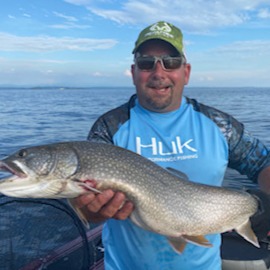
- Fish and Hunt in Lake Champlain and Adirondacks


Summary
Captain Scott Thurber of Irish Raider Outfitters LLC offers premier smallmouth bass fishing charters on Lake Champlain from Cumberland Head, NY. Our Saturday August morning trips target the legendary bronze-backed fighters that make these waters famous among bass anglers. With clear conditions and expert local knowledge, we provide everything needed for an unforgettable fishing charter experience. From first-time anglers to seasoned pros, our 4-hour morning trips deliver consistent action using proven techniques and top-quality gear. The early morning bite around Cumberland Head produces some of the region's finest smallmouth bass fishing, with fish averaging 1-4 pounds and measuring 12-27 inches. Book your guided fishing adventure today and discover why Lake Champlain remains a premier destination for trophy smallmouth bass.
Fishing Charter with Captain Scott Thurber – Rates & Booking
Captain Scott Thurber of Irish Raider Outfitters LLC on Saturday August specializes in 4-hour morning fishing charters targeting smallmouth bass on Lake Champlain. Our trips depart at 6:30 AM from Cumberland Head, taking advantage of the prime early morning bite when bass are most active. All fishing gear, tackle, and equipment are provided, along with expert guidance on proven techniques for landing these hard-fighting fish. Licensed and experienced, Captain Scott knows the best spots around Cumberland Head where smallmouth bass congregate. Trip rates include everything you need for a successful day on the water, with flexible booking options available online or by phone.
Highlights of Smallmouth Bass Fishing Charter
Experience the thrill of battling Lake Champlain's famous smallmouth bass in the pristine waters around Cumberland Head. These bronze-backed fighters are known for their acrobatic jumps and determined runs, providing excitement for anglers of all skill levels. Our morning charters focus on productive structure and drop-offs where bass feed actively during the cooler hours. Captain Scott employs various techniques including jigging, casting, and visual fishing when conditions allow you to spot bass following lures.
The clear waters of Lake Champlain offer excellent visibility, making for exciting fishing when you can watch bass approach your presentation. Cumberland Head's diverse underwater structure provides ideal habitat for healthy populations of smallmouth bass, with fish typically ranging from 12-27 inches and weighing 1-4 pounds. Whether you're new to bass fishing or looking to improve your technique, our guided trips provide the perfect opportunity to learn from a local expert.
Local Species Insights: Smallmouth Bass
Smallmouth bass thrive in Lake Champlain's cool, clear waters around Cumberland Head, where rocky structure and varying depths create perfect habitat. These fish prefer areas with gravel bottoms, submerged rocks, and drop-offs where they can ambush prey like crayfish, minnows, and insects. During Saturday August mornings, smallmouth bass are particularly active as they feed heavily before the day warms up. The species is known for its incredible fighting ability, often jumping multiple times when hooked and making powerful runs toward cover. Captain Scott's local knowledge helps locate the most productive areas where these bronze-backed beauties concentrate, using techniques that match their feeding behavior and seasonal patterns.
Plan Your Fishing Charter Day
Our 4-hour morning fishing charter includes all necessary equipment, from rods and reels to tackle and bait, ensuring you're fully prepared for success on Lake Champlain. We accommodate small groups for a personalized experience, with Captain Scott providing hands-on instruction and guidance throughout the trip. Departure is at 6:30 AM from Cumberland Head, allowing us to capitalize on the prime morning bite when smallmouth bass are most aggressive. The boat is equipped with safety gear and fish-finding electronics to locate productive areas efficiently. Comfortable seating and storage space ensure an enjoyable experience for all participants, regardless of fishing experience level.
Fishing in Lake Champlain: Smallmouth Bass

Smallmouth Bass (Micropterus dolomieu) belongs to the Centrarchidae family within the order Perciformes, making it a close relative of largemouth bass and other sunfish species. This bronze-backed fighter is distinguished by its dark green to brownish coloration with vertical dark stripes that fade with age, red to brown eyes, and two distinct dorsal fins. In Cumberland Head waters this August, anglers consistently encounter these hard-fighting gamefish around rocky structure and drop-offs.
Smallmouth Bass Overview
Smallmouth bass are among North America's most prized freshwater gamefish, renowned for their incredible fighting ability and acrobatic displays when hooked. They inhabit cool, clear waters with rocky or gravel bottoms, making Lake Champlain around Cumberland Head ideal habitat. These fish are opportunistic predators that provide exciting action for anglers using various techniques from jigging to topwater presentations.
Smallmouth Bass Habitat and Distribution
These bass prefer structured environments including rocky points, submerged boulders, gravel bars, and drop-offs in depths ranging from shallow flats to 30+ feet. Lake Champlain's diverse underwater topography around Cumberland Head provides excellent smallmouth habitat, with the species thriving in the lake's cool, oxygen-rich waters. They seek areas with current breaks and ambush points where prey concentrates.
Smallmouth Bass Size and Weight
Typical smallmouth bass measure 12-27 inches in length and weigh 1-4 pounds, though trophy specimens can exceed these ranges. Lake Champlain produces quality fish within this size range, with many anglers catching multiple bass during a single outing. The average fish provides excellent sport on appropriate tackle.
Smallmouth Bass Diet and Behavior
Smallmouth bass are aggressive predators feeding primarily on crayfish, minnows, aquatic insects, and small fish. They hunt actively during low-light periods including early morning and evening hours, making dawn trips particularly productive. These fish use ambush tactics, positioning near structure to surprise prey, and are known for their willingness to chase lures and baits.
Smallmouth Bass Spawning Season
Spawning occurs in late spring when water temperatures reach 60-65°F, with males creating circular nests in shallow gravel areas. During August, post-spawn fish have recovered and feed aggressively to regain energy, making this an excellent time for angling. Fish concentrate around deeper structure during summer months while remaining active feeders.
Smallmouth Bass Fishing Techniques
Effective techniques include jigging with tube baits or grubs around rocky structure, casting spinnerbaits and crankbaits over submerged points, and using topwater lures during low-light conditions. In August around Cumberland Head, anglers find success with deep-diving crankbaits and drop-shot rigs worked along drop-offs and rocky areas where bass hold during warmer periods.
Smallmouth Bass Is It Good to Eat?
Smallmouth bass offer excellent table fare with firm, white meat and mild flavor that works well with various cooking methods including grilling, baking, and frying. The flesh is lean and high in protein while being relatively low in mercury compared to some other gamefish species. Many anglers practice catch-and-release to preserve these valuable sport fish populations.
Smallmouth Bass Frequently Asked Questions
Q: What is the best bait for smallmouth bass?
A: Live crayfish, tube jigs, spinnerbaits, and crankbaits are highly effective. Match your presentation to the structure and depth where fish are holding.
Q: Where can I find smallmouth bass near Cumberland Head?
A: Focus on rocky points, submerged boulders, drop-offs, and gravel areas in Lake Champlain. Structure with current breaks often holds the most fish.
Q: Is smallmouth bass good to eat?
A: Yes, smallmouth bass have excellent flavor with firm, white meat that's versatile for cooking. However, many anglers practice catch-and-release for conservation.
Q: When is the best time to catch smallmouth bass?
A: Early morning and evening hours are most productive, especially during summer months. Overcast days can extend the active feeding periods throughout the day.