%2Ffit-in%2F250x250%2Fusers%2F81b10169-d6da-4535-b20d-a508d6758d05%2Fimages%2F063ab942-c5e7-4a82-9bbb-e2809af47ecf.jpg&w=1920&q=100)
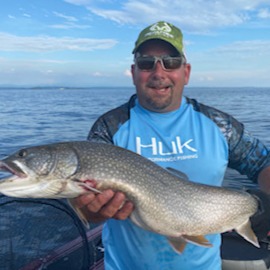
Caught a Largemouth Bass Fishing Charter in Cumberland
Largemouth Bass Fishing in Cumberland Head, NY
%2F%2Fusers%2F81b10169-d6da-4535-b20d-a508d6758d05%2Fimages%2Flargemouth-bass-fishing-peru-ny-5026.png&w=1920&q=75)
The Micropterus Salmoides belongs to the order Perciformes and family Centrarchidae. It typically measures between 15 and 32 inches in length, with a weight range from 2 to 22 lbs. Habitat: lake, pond, rivers. - Most famous member of the sunfish family. - Renowned game fish with green or olive-green coloration. - Features dark horizontal markings giving it the nickname "black bass".
Fishing Charter by Captain Scott Thurber in August
- Fish and Hunt in Lake Champlain and Adirondacks


Summary
Captain Scott Thurber of Irish Raider Outfitters LLC on Saturday June offers premier Fishing Charter experiences targeting Largemouth Bass on Lake Champlain near Cumberland Head, NY. Our 4-hour afternoon trips combine trolling, bottom fishing, and casting techniques to maximize your success on these productive waters. Whether you're an experienced angler or new to bass fishing, our local knowledge and quality equipment put you on fish consistently. Summer conditions provide excellent opportunities for both Largemouth and Smallmouth Bass, with clear skies and perfect water temperatures creating ideal fishing scenarios. Book online to secure your Lake Champlain fishing adventure and experience why anglers return season after season for the best bass action in the region.
Fishing Charter with Captain Scott Thurber – Rates & Booking
Captain Scott Thurber of Irish Raider Outfitters LLC on Saturday June leads 4-hour afternoon fishing charters targeting bass on Lake Champlain's productive waters near Cumberland Head. Our trips include all necessary fishing equipment, local expertise, and proven techniques including trolling, bottom fishing, and casting methods. Licensed guide service ensures safe, productive outings for anglers of all skill levels. Contact us directly for current rates, availability, and to book your Lake Champlain bass fishing adventure.
Highlights of Lake Champlain Bass Fishing
Lake Champlain offers exceptional bass fishing opportunities with both Largemouth and Smallmouth Bass thriving in these clear, structured waters. Our versatile approach combines multiple techniques to adapt to daily conditions and fish behavior. The lake's diverse habitat includes rocky points, weed beds, and drop-offs that hold bass throughout the summer months.
Captain Scott's local knowledge of productive spots around Cumberland Head and Peru areas gives anglers the best chance at consistent action. Summer afternoon trips take advantage of optimal feeding periods when bass are most active and aggressive.
Local Species Insights: Largemouth Bass
Largemouth Bass in Lake Champlain grow robust and healthy in these nutrient-rich waters, with fish ranging from scrappy 2-pounders to trophy specimens exceeding 5 pounds. These bass relate to structure like submerged rocks, fallen trees, and weed edges where they ambush prey. Summer patterns find them moving between shallow feeding areas and deeper cool-water refuges throughout the day.
Successful techniques include trolling crankbaits along structure, bottom fishing with live bait near drop-offs, and casting spinnerbaits or soft plastics to visible cover. The key is matching your presentation to the bass's current mood and location, which changes with weather, time of day, and seasonal patterns.
Plan Your Fishing Charter Day
Our 4-hour afternoon charters provide ample time to explore multiple fishing spots and techniques while enjoying Lake Champlain's scenic beauty. All fishing equipment, tackle, and safety gear are included in your trip. We accommodate small groups for a personalized experience, with departure times scheduled to take advantage of prime afternoon feeding periods when bass are most active.
Fishing in Lake Champlain: Largemouth Bass

Largemouth Bass (Micropterus salmoides) represents the most celebrated member of the Centrarchidae family and stands as North America's premier freshwater game fish. This species belongs to the order Perciformes and displays the characteristic olive-green to dark green coloration with distinctive horizontal markings that earned it the nickname "black bass." In Cumberland Head waters this June, anglers consistently encounter healthy populations of these aggressive predators.
Largemouth Bass Overview
The Largemouth Bass is distinguished by its large mouth that extends past the eye when closed, separated dorsal fins, and slightly forked tail. These fish are opportunistic predators that adapt well to various freshwater environments, making them a favorite target for recreational anglers. Their aggressive feeding behavior and strong fighting ability create exciting fishing experiences.
Largemouth Bass Habitat and Distribution
Largemouth Bass thrive in lakes, ponds, and slow-moving rivers with adequate cover and forage. They prefer areas with submerged vegetation, fallen trees, rocky points, and other structures that provide ambush opportunities. Lake Champlain's diverse habitat perfectly suits their needs, offering everything from shallow weed beds to deeper rocky drop-offs.
Largemouth Bass Size and Weight
Adult Largemouth Bass typically range from 15 to 32 inches in length, with weights spanning 2 to 22 pounds. Most recreational catches fall between 12 to 18 inches and weigh 1 to 4 pounds, though Lake Champlain produces trophy specimens exceeding 5 pounds annually.
Largemouth Bass Diet and Behavior
These voracious predators consume crayfish, minnows, frogs, insects, and smaller fish. They exhibit ambush feeding behavior, hiding near cover and striking prey with explosive speed. Daily activity peaks during dawn and dusk, though summer afternoon feeding periods can be highly productive when conditions align.
Largemouth Bass Spawning Season
Spawning occurs in spring when water temperatures reach 60-65°F, typically May through early June in northern waters. Males create circular nests in shallow areas with firm bottoms, aggressively defending eggs and fry. Post-spawn bass gradually move to summer patterns as water temperatures stabilize.
Largemouth Bass Fishing Techniques
Effective methods include trolling crankbaits along structure, casting spinnerbaits to cover, and bottom fishing with live bait near drop-offs. Soft plastic worms, jigs, and topwater lures produce excellent results during appropriate conditions. In June, anglers around Cumberland Head find success targeting weed edges and rocky points during afternoon hours when bass move shallow to feed.
Largemouth Bass Is It Good to Eat?
Largemouth Bass offers mild, white meat with a firm texture that adapts well to various cooking methods. The flesh is lean and provides excellent protein content with beneficial omega-3 fatty acids. Many anglers practice catch-and-release to maintain healthy populations, though properly prepared bass makes excellent table fare.
Largemouth Bass Frequently Asked Questions
Q: What is the best bait for Largemouth Bass?
A: Live minnows, crayfish, and nightcrawlers work excellently, while artificial lures like spinnerbaits, crankbaits, and soft plastic worms consistently produce results.
Q: Where can I find Largemouth Bass near Cumberland Head?
A: Focus on weed beds, rocky points, fallen trees, and drop-offs throughout Lake Champlain. Areas with structure and cover consistently hold bass.
Q: Is Largemouth Bass good to eat?
A: Yes, Largemouth Bass provides mild, firm white meat that's excellent grilled, baked, or fried. The flesh is lean and nutritious.
Q: When is the best time to catch Largemouth Bass?
A: Early morning and evening hours are prime, though summer afternoon periods can be productive when bass move shallow to feed actively.