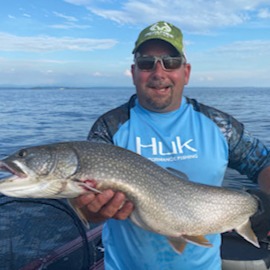
Lake Trout Caught on Lake Champlain Fishing Charter
Lake Trout Fishing in Lake Champlain - What to Expect

Fishing Charter by Captain Scott Thurber in May
- Fish and Hunt in Lake Champlain and Adirondacks


Summary
Lake trout fishing on Lake Champlain with Captain Scott Thurber of Irish Raider Outfitters LLC delivers an exciting spring fishing charter. This Sunday in May outing targets lake trout, a cold-water species that thrive in deeper waters. Anglers learn proper depth control and presentation techniques while exploring one of the Northeast's most productive fishing destinations.
Fishing Charter with Captain Scott Thurber - Rates & Booking
Captain Scott Thurber of Irish Raider Outfitters LLC operates out of Peru, NY on Sunday, May 18, offering a focused lake trout fishing charter on Lake Champlain. This experienced guide specializes in targeting lake trout using proven depth and structure techniques. To book your charter and discuss current rates, group size options, and what's included in the package, contact Irish Raider Outfitters LLC directly.
Whether you're new to lake trout fishing or looking to refine your skills, this charter provides access to one of the region's premier cold-water fisheries. All details regarding tackle, licensing, and specific inclusions are available through the outfitter.
Highlights of Lake Champlain Lake Trout Fishing
Lake Champlain is renowned for its healthy lake trout population and consistent spring fishing opportunities. The charter experience focuses on locating trout at various depths where they congregate during the season. You'll learn how environmental conditions—water temperature, light penetration, and seasonal movements—influence where trout hold and feed.
The northern basin of Lake Champlain near Peru offers excellent accessibility to productive trout grounds. Anglers gain insight into reading sonar, understanding depth zones, and adjusting presentations based on real-time conditions observed during the day.
Local Species Insights: Lake Trout
Lake trout are a deep-water predator species found in cold, clear lakes throughout the Northeast. Unlike many other freshwater fish, lake trout prefer deep, cold environments year-round. In spring, they may rise toward shallower feeding zones as water temperatures stabilize, creating prime fishing windows.
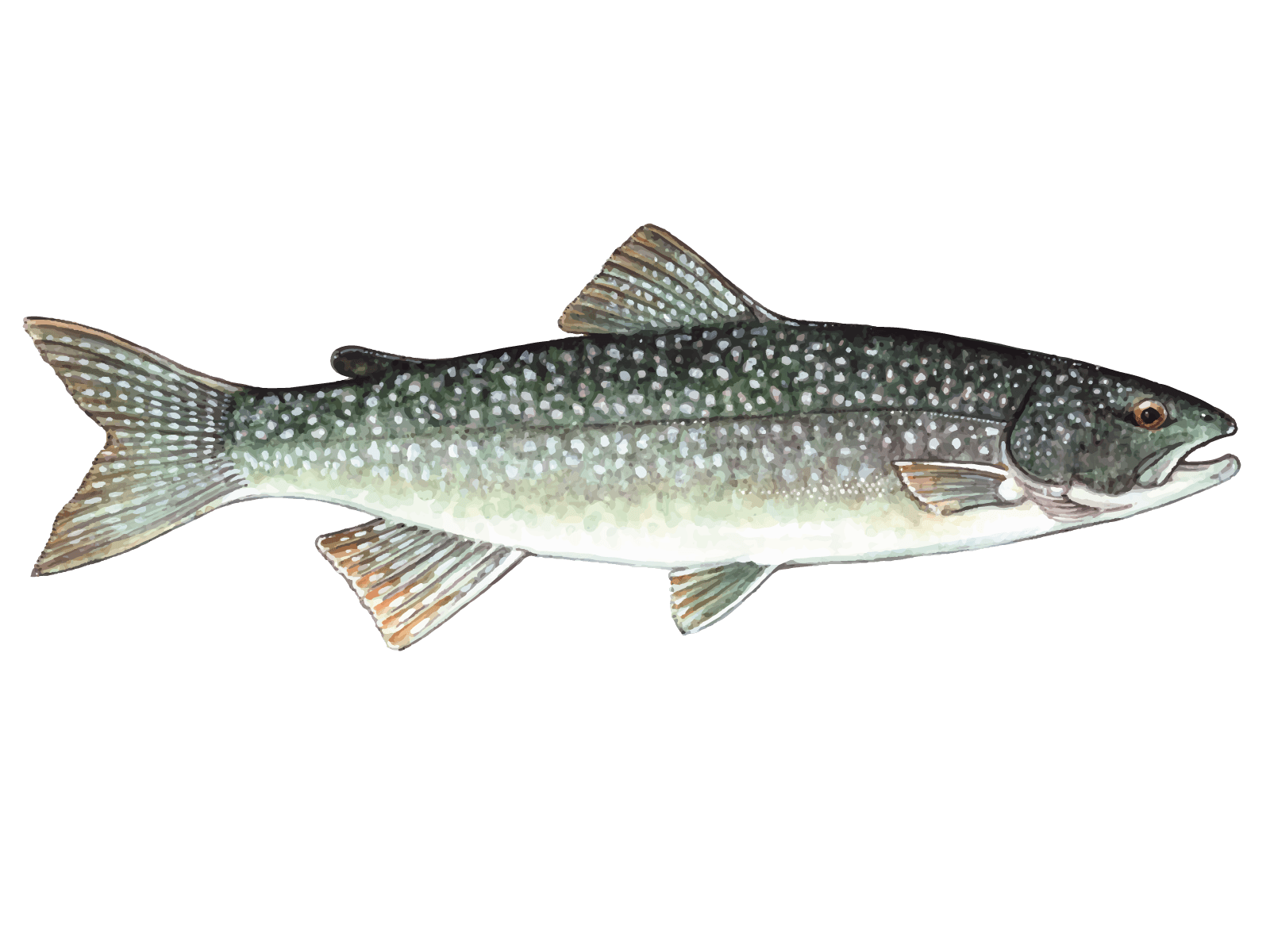
Lake trout have several distinctive characteristics that define their behavior and habitat needs. They possess a streamlined body, deeply forked tail, and light spots across their body, making them visually distinct from other trout species. Their feeding habits are opportunistic—they consume smaller fish including shiners, alewives, and other forage species available in Lake Champlain's ecosystem.
Understanding lake trout habitat is essential for successful fishing. These fish use underwater structure—drop-offs, ledges, and deeper channels—as highways between feeding and resting areas. During spring, trout may be found at intermediate depths, typically 40 to 100 feet, depending on water clarity and seasonal light levels. Successful anglers use sonar to identify structure and adjust their depth to match where trout are actively feeding.
Lake trout respond well to both jigging and trolling techniques. Vertical jigging with controlled movements mimics injured baitfish and triggers predatory strikes. Trolling allows you to cover larger areas and locate concentrations of active fish. The key to consistent success is adjusting speed, depth, and lure selection based on what the fish are telling you through sonar readings and strike patterns.
Spring is a particularly productive season for lake trout on Lake Champlain. Water temperatures rising from winter lows trigger increased feeding activity. The combination of seasonal movement, predictable feeding windows, and relatively stable weather patterns makes May an excellent time to target this species. Fish caught during this period often display excellent condition and strong fight characteristics.
Plan Your Lake Trout Fishing Day
Your charter day begins with meeting Captain Thurber, who will review the plan, discuss recent fish activity, and outline what to expect. You'll head to productive areas of Lake Champlain where sonar work begins immediately. Time is spent locating structure and identifying where trout are holding.
The charter focuses on hands-on learning—you'll practice jigging and trolling techniques while Captain Thurber provides real-time coaching based on conditions. Weather on the water can change, so dress in layers and bring sun protection. Most anglers find this a full, engaging day combining physical activity, technical skill development, and the satisfaction of connecting with a strong-fighting species.
Fishing in Lake Champlain: Lake Trout
Lake Trout Overview
The Lake Trout (Salvelinus namaycush) is the largest member of the char family within the Salmonidae family and Salmoniformes order. These remarkable cold-water fish are distinguished by their grey to green coloring, lighter belly, and striking yellow to cream-colored markings across their body and fins. Lake trout are legendary among anglers for their challenging pursuit in deep, pristine waters and are the only major native game fish to inhabit the deep, cold waters of oligotrophic lakes in northern regions. What makes these fish particularly fascinating is their slow growth rate, late maturation, and notably low reproductive potential compared to other popular game fish species—qualities that make sustainable fishing practices especially important.
Lake Trout Habitat and Distribution
Lake trout are true specialists of cold-water environments and depend critically on high levels of oxygenation to thrive. These fish have a relatively narrow geographic distribution compared to other trout species, though their range is expanding through human introduction. Naturally, they're found throughout the northern reaches of North America, including the Great Lakes region, across Canada, parts of Alaska, and to a lesser extent the northeastern United States. In recent decades, lake trout have been artificially stocked in Europe—particularly in Scandinavian countries like Sweden—as well as in New Zealand, South America, and parts of Asia. Within their native lakes, these fish typically suspend themselves in the middle of the basin at considerable depths, where water temperatures and oxygen levels suit their demanding requirements. During summer months, lake trout in the southern portions of their range retreat to even deeper water where cooler temperatures persist.
Lake Trout Size and Weight
Lake trout are impressive fish and live up to their reputation as the largest char species. Typical catches range from 15 to 40 pounds, with average lengths falling between 24 and 36 inches. Anglers pursuing these deep-water dwellers should know that truly exceptional specimens do exist—the world record for lake trout caught on rod and reel was landed at Great Bear Lake in the Northwest Territories of Canada and weighed an astounding 72 pounds with a length of 52 inches. However, fish in the 25 to 59-inch range with weights between 5 and 15 pounds represent the more commonly encountered sizes for most recreational anglers.
Lake Trout Diet and Behavior
Lake trout are carnivorous predators that feed primarily on smaller fish species and aquatic organisms available in their deep-water environments. These fish are known to be light-sensitive and actively avoid bright conditions, making their feeding behavior most pronounced during overcast days, dawn, dusk, and nighttime hours. Understanding this preference is crucial for successful angling, as lake trout generally feed more frequently when light levels are low. Their behavior is largely driven by water temperature and oxygen availability—factors that dictate where they position themselves throughout the day and across seasons. Interestingly, lake trout can hybridize with brook trout to create a sterile hybrid species called splake, which fisheries managers stock in lakes across North America to provide additional sport fishing opportunities.
Lake Trout Spawning and Seasonal Activity
Spring represents one of the most productive times for targeting lake trout, particularly immediately after ice-out when water temperatures are at their coldest. During this period, fish move to relatively shallower waters compared to their typical deep summer and fall positions, making them more accessible to anglers. As water temperatures warm throughout spring and into summer, lake trout gradually migrate deeper to find the cool, oxygen-rich water layers they require for survival. Fall fishing can also be excellent as cooling water temperatures again draw fish toward shallower zones. Understanding these seasonal movements is essential for planning a successful lake trout expedition, as the same lake can require completely different fishing strategies depending on the time of year.
Lake Trout Techniques for Observation or Capture
Jigging Method: Jigging is the preferred and most effective technique for lake trout due to their deep-water habitat. Employ jigging lures like the Rapala Jigging Rap or lures that imitate wounded baitfish, as these closely mimic the natural prey these fish hunt in the depths. Jig heads fitted with soft plastic paddle tail swimbaits, skirted jigs, and bladed jigging spoons are all excellent choices that produce consistent results. The key is maintaining vertical contact with the lake bottom and working your lure with subtle, controlled movements that trigger strikes from suspended fish.
Trolling with Crankbaits: When targeting lake trout in deeper zones or when they're positioned higher in the water column, trolling with quality crankbaits is highly effective. This method allows you to cover more water and reach the precise depths where fish are holding. Crankbaits can be trolled along deep structure, drop-offs, and basin edges to locate active fish. This technique works particularly well in spring when fish are more distributed and less confined to extreme depths.
Spoon Fishing: Don't overlook traditional spoons when pursuing lake trout. These classic lures remain remarkably effective and can be used both while jigging vertically and while trolling. Spoons are particularly valuable when you're searching for fish across different depth zones, as they're simple to deploy and retrieve while covering water efficiently. Around lakes in northern Canada and the Great Lakes region, local guides often recommend starting with spoons early in the season to establish where fish are positioned.
Lake Trout Culinary and Utilization Notes
Lake trout have earned a reputation as good eating fish with firm, flavorful flesh that appeals to many anglers. The meat has a mild to moderately rich flavor profile and holds up well to various cooking methods including baking, grilling, smoking, and pan-frying. These fish are nutritionally valuable, providing excellent sources of protein and omega-3 fatty acids beneficial for cardiovascular health. However, some regional guidelines recommend limiting consumption of larger specimens due to potential bioaccumulation of environmental contaminants in deep-water ecosystems. Always check local fishing regulations and consumption advisories before harvesting lake trout, as these guidelines vary by lake and region and are designed to ensure both personal safety and sustainable fish populations.
Lake Trout Frequently Asked Questions
Q: What is the best bait or lure for catching lake trout?
A: Jigging is the most effective method, using lures like Rapala Jigging Raps, soft plastic swimbaits on jig heads, bladed jigging spoons, or traditional spoons. These lures best mimic the baitfish and small prey that lake trout hunt in deep water. The specific choice depends on water depth, season, and current fish positioning.
Q: Where can I find lake trout in Canada and the Great Lakes?
A: Lake trout thrive in deep, cold-water lakes throughout Canada, the Great Lakes region, and northern portions of the United States. The Great Lakes themselves—particularly Lakes Michigan, Huron, and Superior—offer excellent populations. In Canada, Great Bear Lake in the Northwest Territories is world-renowned for trophy lake trout fishing. Always consult local fishing reports and regulations for specific lake recommendations in your target region.
Q: When is the best time to fish for lake trout throughout the year?
A: Spring immediately after ice-out is often considered the prime season, as fish move to shallower water in the colder temperatures. However, fall can also be excellent as water cools again. Summer fishing requires targeting deep structures and basin zones where cooler water persists. Timing within the day is equally important—fish during overcast conditions or low-light hours when lake trout feed most actively.
Q: Are lake trout safe and good to eat?
A: Yes, lake trout are considered good eating fish with firm, flavorful meat that works well in many preparations. However, it's important to check local consumption advisories, as some deep-water lakes may have recommendations limiting harvest or consumption, particularly for larger specimens that may accumulate environmental contaminants. Always follow regional guidelines before harvesting.
Q: How deep do lake trout typically stay, and does this affect fishing strategy?
A: Lake trout are deepwater specialists that typically suspend themselves in mid-basin zones and at considerable depths, especially during summer when shallower water warms. This deep habitat is why jigging vertically is the most productive technique. In spring and fall, they move shallower, making them more accessible. Depth finders and sonar are invaluable tools for identifying where fish are positioned at any given time.
Q: Can lake trout be caught in smaller lakes, or do they require massive bodies of water?
A: While lake trout are typically associated with large, deep, cold-water lakes like those in the Great Lakes and Canadian shield regions, they can exist in appropriately sized lakes that meet their specific requirements: sufficient depth, cold water year-round, and adequate oxygen levels. Not all lakes can support lake trout populations, so it's essential to research your target water body before planning a fishing trip. Local fisheries departments can provide detailed information about which lakes in your area support viable lake trout populations.